How to Handle Caregiver Burnout: Recognising Signs and Taking Action
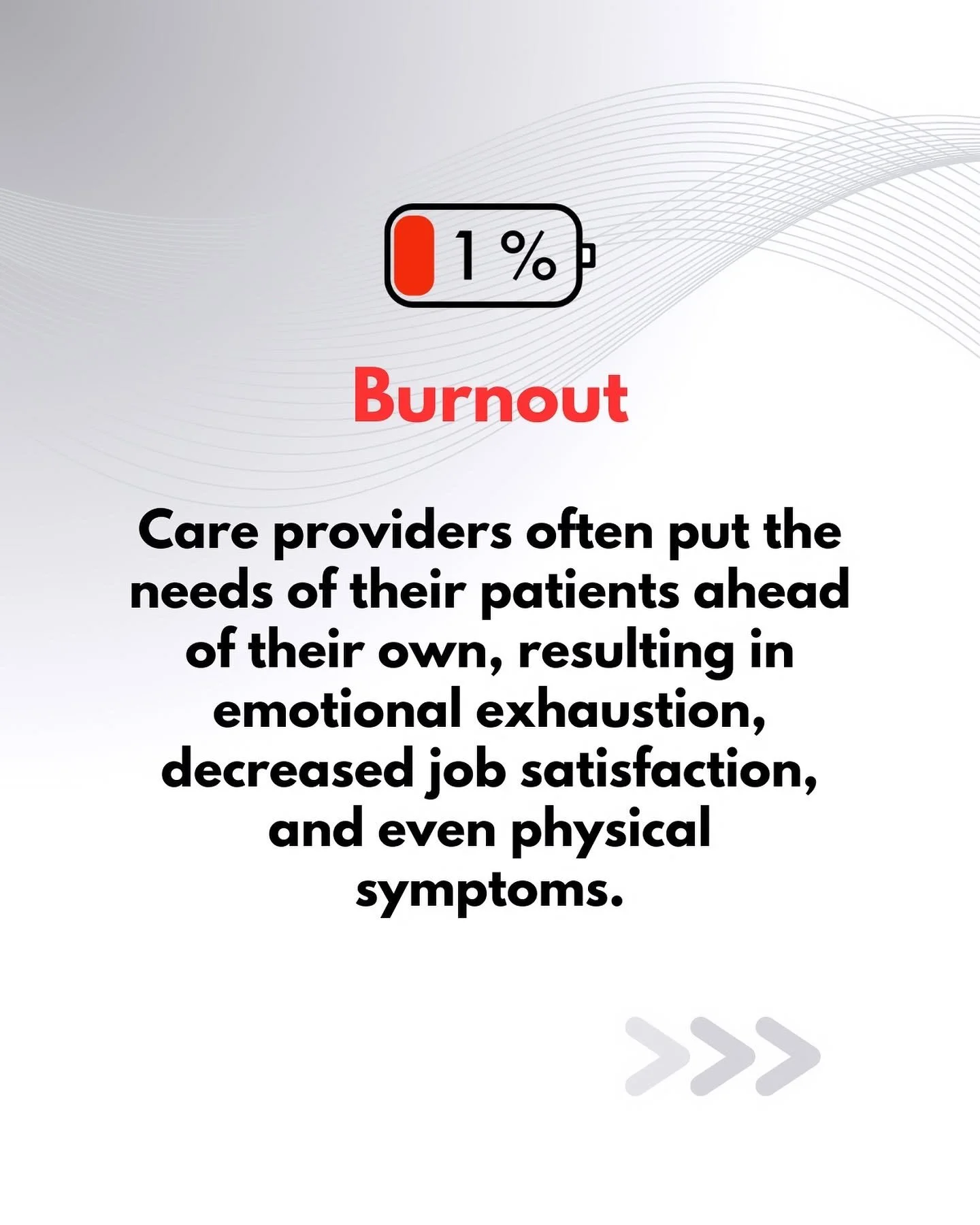
Caregiving is a rewarding yet demanding profession. Whether you're providing care for the elderly, individuals with disabilities, or those recovering from illness, it requires immense emotional, mental, and physical energy. Over time, this constant effort can lead to caregiver burnout, a state of exhaustion that can impact not only your job performance but also your well-being.
Burnout is more than just feeling tired; it’s a serious condition that affects many caregivers, often without them even realising it. In this article, we’ll explore the signs of caregiver burnout, the risks associated with it, and effective ways to manage and prevent it.
What Is Caregiver Burnout?
Caregiver burnout occurs when you are physically, mentally, and emotionally drained from the prolonged stress of caring for others. It can be triggered by a variety of factors, including high workloads, long hours, emotional attachment to clients, and the pressure of balancing caregiving responsibilities with personal life. Without intervention, burnout can lead to serious health problems, both for the caregiver and those in their care.
Recognizing the Signs of Burnout
Identifying caregiver burnout early is crucial for preventing further deterioration. Here are some common signs to look out for:
- Physical Exhaustion
Chronic fatigue, even after a full night’s sleep, is one of the most noticeable signs of burnout. You may also experience frequent headaches, body aches, or other stress-related symptoms like stomach issues.
- Emotional Overwhelm
Feelings of frustration, helplessness, or constant irritability may signal emotional exhaustion. Caregivers often report feeling detached from their work or having a sense of dread about their daily tasks.
- Loss of Interest in Activities
If you find that you no longer enjoy hobbies or activities you used to love, or if you’re withdrawing from social interactions, it may be a sign that burnout is taking its toll on your mental health.
- Difficulty Concentrating
Struggling to focus on tasks or make decisions is a common symptom of burnout. Caregivers often report feeling “scattered” or unable to keep up with their responsibilities.
- Changes in Sleep Patterns
Burnout can disrupt your sleep, leading to insomnia or oversleeping. Sleep issues further compound fatigue and affect your ability to function during the day.
- Feelings of Guilt or Inadequacy
Many caregivers feel guilty for needing time for themselves or for not being able to do more for their clients. These feelings can lead to a sense of inadequacy, even when they’re doing their best.
- Neglecting Personal Health
Caregivers often put their own health on the back burner, skipping meals, neglecting exercise, or ignoring their medical needs, which only worsens burnout over time.
The Impact of Burnout on Caregiving
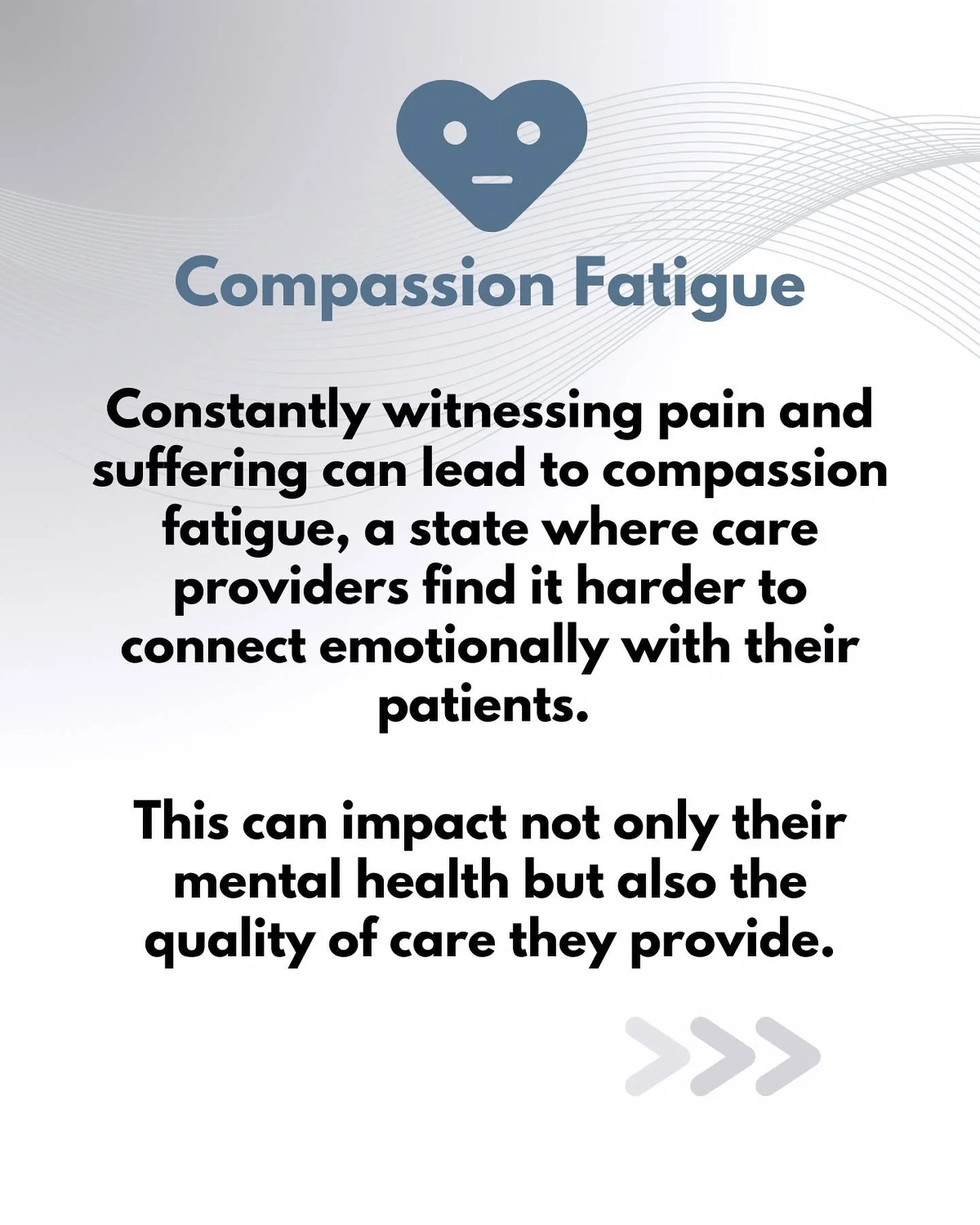
Caregiver burnout doesn't just affect the caregiver; it also impacts the quality of care provided to clients. When caregivers are overwhelmed, they may become less patient, more prone to making mistakes, or emotionally distant. This can lead to a decrease in the quality of care, which is detrimental to the client’s well-being. Additionally, burnout can lead to caregiver turnover, affecting continuity of care.
How to Take Action Against Burnout
Fortunately, there are several ways to prevent and manage caregiver burnout. Taking proactive steps to care for yourself ensures that you can continue to provide the best care for others.
- Acknowledge Your Limits
One of the first steps in preventing burnout is recognizing that you can’t do everything. It’s okay to admit that you need help or that you can’t always meet every demand. Setting realistic expectations for yourself and your workload is essential.
- Set Boundaries
Boundaries are key to protecting your mental and physical health. This may mean saying no to extra shifts or establishing clear working hours that you stick to. Ensure you have personal time where you can recharge without caregiving responsibilities.
- Seek Support
Don’t hesitate to ask for support when you need it. Whether it’s from fellow caregivers, family members, or professional counselors, having a support system is crucial. Joining a caregiver support group can also help you connect with others who understand the challenges you face and provide valuable coping strategies.
- Practice Self-Care
Taking care of your own health should be a priority. This includes eating balanced meals, getting regular exercise, and maintaining a healthy sleep routine. Even small self-care practices, like taking short breaks throughout the day or practicing mindfulness, can make a big difference in managing stress.
- Schedule Regular Breaks
Respite care, where another caregiver steps in for a short period, can provide much-needed relief. Whether it’s for a few hours or a few days, taking time off allows you to recharge and return to caregiving with a fresh perspective.
- Focus on What You Can Control
Caregiving can be overwhelming because there’s always more to be done. Instead of focusing on everything at once, break tasks into smaller, manageable steps and concentrate on what you can control. This helps prevent feelings of helplessness.
- Stay Connected with Loved Ones
Maintaining personal relationships outside of work is crucial for emotional well-being. Spend time with family and friends, engage in activities that bring you joy, and ensure that caregiving does not consume all your time and energy.
- Consider Professional Counseling
Talking to a therapist or counselor can help you process your emotions and develop coping strategies for managing stress. Many caregivers find that counseling provides a safe space to discuss the emotional burden of caregiving.
Preventing Burnout in the Long Term
The best way to handle burnout is to prevent it from happening in the first place. Prioritizing your own well-being, establishing a strong support network, and regularly assessing your mental and physical health can help you avoid reaching the point of exhaustion.
Additionally, staying informed about caregiver resources and tools can improve your efficiency and reduce the burden. For example, using caregiving apps or tools to track schedules, medications, and client needs can streamline your workload.
Conclusion
Caregiver burnout is a serious issue that can affect both your health and the quality of care you provide. Recognizing the early signs of burnout and taking action is essential to maintaining your well-being and continuing to provide compassionate, high-quality care. By setting boundaries, seeking support, and practicing self-care, you can reduce the risk of burnout and thrive in your role as a caregiver.
At F&P Healthcare, we understand the demands of caregiving and are committed to supporting our staff through resources, training, and access to help when needed. By prioritising your own health and well-being, you can continue to do the rewarding work of caregiving with renewed energy and dedication.