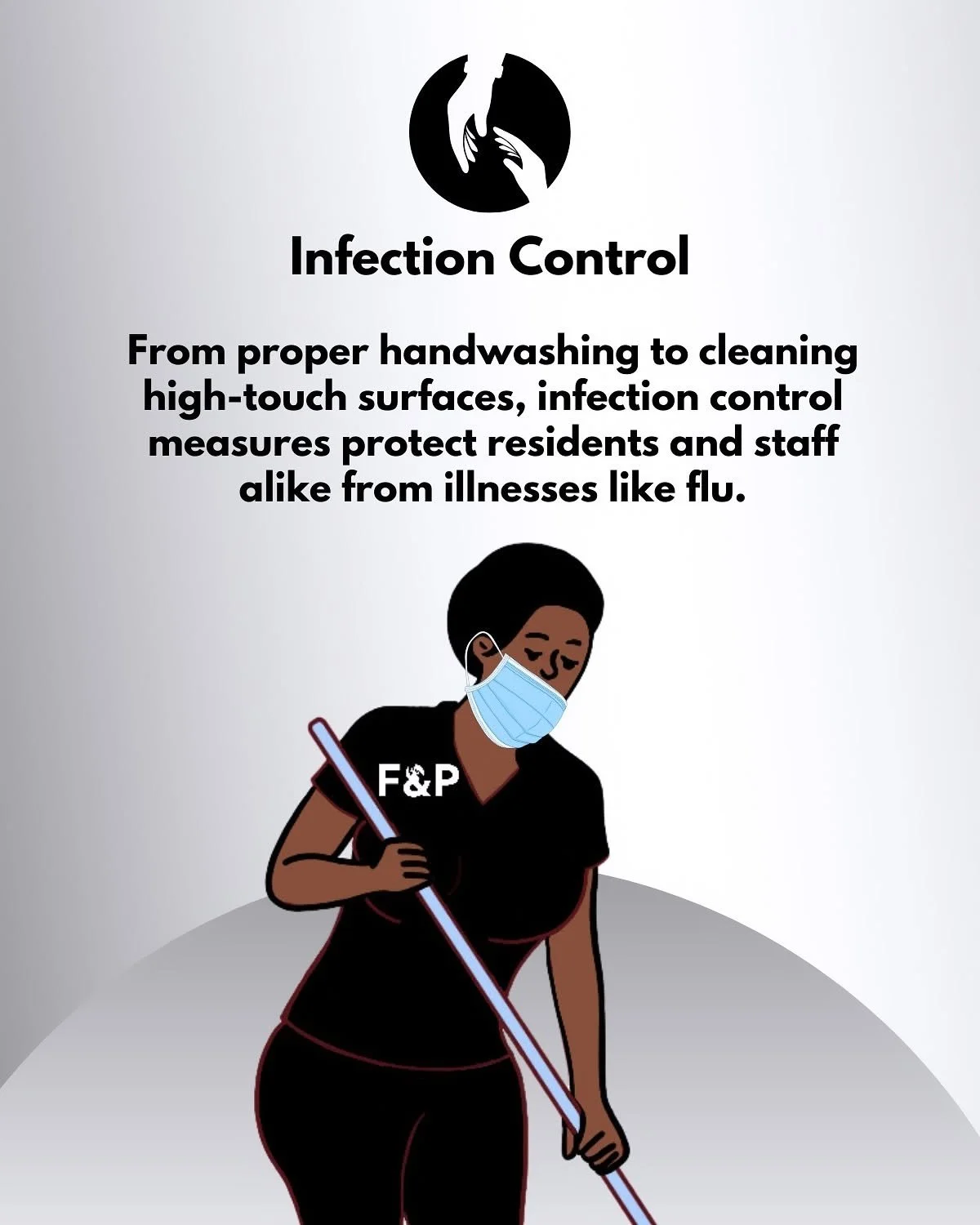
The Importance of Cleanliness for Caregivers in Care Homes and Care Facilities
In the healthcare sector, cleanliness isn’t just a matter of appearance or routine; it is a critical part of providing safe, high-quality care. For caregivers working in care homes and facilities, maintaining both personal hygiene and a clean environment is essential. Cleanliness helps prevent the spread of infections, promotes well-being for both residents and caregivers, and creates a comfortable, safe space for everyone.
In this blog, we’ll dive into why cleanliness is essential for caregivers in healthcare environments, how it impacts both personal hygiene and care settings, and some best practices for ensuring high standards of cleanliness.
1. The Role of Personal Hygiene in Health and Safety
Personal hygiene is the first line of defense in preventing infections from spreading among caregivers and residents. Caregivers come into direct contact with residents daily, often in close, physical ways—whether assisting with dressing, mobility, or personal care routines. This hands-on approach can quickly spread germs if caregivers don’t maintain rigorous personal hygiene.
Here are some key practices for personal hygiene that caregivers should prioritize:
- Regular Handwashing: This is one of the simplest yet most effective ways to stop the spread of germs. Washing hands before and after every interaction with a resident, as well as after using the restroom or touching unclean surfaces, is essential.
- Use of PPE (Personal Protective Equipment): Caregivers should always wear appropriate PPE, such as gloves, masks, and gowns, especially when handling bodily fluids or when working with residents who may have infections.
- Uniforms and Clothing: Clean, fresh uniforms or scrubs should be worn daily to minimize the risk of contamination. Clothing should be washed in hot water after each shift to remove bacteria or viruses.
- Regular Hygiene and Grooming: Proper personal grooming, including trimmed nails, clean hair, and general body cleanliness, reduces the risk of carrying and spreading germs.
Personal hygiene not only protects caregivers but also reassures residents, who may feel more comfortable and at ease when they know that their caregivers are taking these steps to maintain health and safety.
2. Why a Clean Environment Matters in Care Facilities
In care homes, the environment directly affects the health, safety, and comfort of the residents. Many residents may have weakened immune systems, making them more vulnerable to illnesses that can arise from unclean surroundings. Keeping the environment clean isn’t just about aesthetics; it’s about safeguarding the well-being of those who live and work in these spaces.
A clean care environment helps to:
- Prevent Infections: Care facilities are high-risk environments for infections, especially if residents share spaces like dining areas, bathrooms, or common rooms. Regular cleaning of these areas can help prevent the spread of pathogens.
- Enhance Comfort and Dignity for Residents: Residents deserve a comfortable and dignified environment, and cleanliness plays a significant role. Clean living spaces, fresh linens, and tidy personal areas contribute to a positive quality of life.
- Reduce Stress for Staff and Residents Alike: Clean spaces are more inviting, helping to reduce stress and creating a more organised, calm environment. For caregivers, this can mean more efficient workflows, less time managing clutter, and an overall better work atmosphere.
3. Best Practices for Maintaining Cleanliness in Care Facilities
To maintain a clean environment, caregivers can follow these best practices:
- Routine Cleaning of High-Touch Surfaces: Surfaces such as doorknobs, handrails, tables, and bathroom fixtures should be cleaned and disinfected regularly to prevent the spread of germs.
- Proper Disposal of Waste: Caregivers often handle bodily fluids, so disposing of waste properly is essential to avoid contamination. Use designated bins and ensure waste is removed regularly.
- Spill Management: Spills can happen at any time, especially in spaces where residents eat or may have accidents. Caregivers should clean up spills immediately and use appropriate cleaning solutions to sanitize the area.
- Ventilation and Air Quality: Fresh air reduces the buildup of contaminants in indoor spaces. Opening windows or using air purifiers in rooms without ventilation can improve air quality and help residents feel more comfortable.
- Regular Laundry and Linens Management: Residents’ linens, towels, and personal clothing should be laundered frequently to reduce bacteria build-up. Caregivers should handle soiled linens with gloves and place them in designated bags to avoid cross-contamination.
4. Being Proactive: Cleaning as a Continuous Process
In healthcare, cleanliness is not a one-time task but an ongoing responsibility. Caregivers should adopt a mindset of “clean as you go,” making cleanliness a continuous part of their routines. For example:
- After assisting a resident, caregivers should check the area to ensure it’s clean and sanitary.
- When noticing clutter, spills, or dust, caregivers should take a moment to clean rather than waiting for a designated time.
- Creating a cleaning checklist helps ensure that nothing is overlooked during each shift, promoting accountability and thoroughness.
5. Hygiene and Cleaning as Part of Quality Care
Ultimately, cleanliness is a vital part of caregiving. In addition to providing physical care, maintaining a clean environment is a key component of compassionate, quality care. It shows respect for residents, protects everyone’s health, and creates a positive atmosphere for both residents and staff. By integrating these cleaning practices into everyday routines, caregivers contribute to an environment that promotes health, safety, and comfort for all.
Final Thoughts
For caregivers in healthcare settings, maintaining high standards of cleanliness goes beyond compliance, it is an essential part of their role. Both personal hygiene and environmental cleanliness can have a profound impact on health outcomes, resident comfort, and overall job satisfaction. By upholding these standards, caregivers can play a critical role in creating safe, supportive, and positive care environments.
By embracing these practices, caregivers not only protect themselves but also honour the dignity and health of the residents they serve.